Error-Ref.com

You are here: Home / Search for "mule"

Search Results for: mule

Mules Involving Pattern Dies

PART III. Die Installation Errors:

Mules: 

Mules involving pattern dies, various types

Definition: Mules are coins struck by mismatched dies.

This is a broad category (a genus?) that could encompass a variety of mule species. While little knowledge exists of any standard dies being paired with a pattern die, two possibilities are shown below.

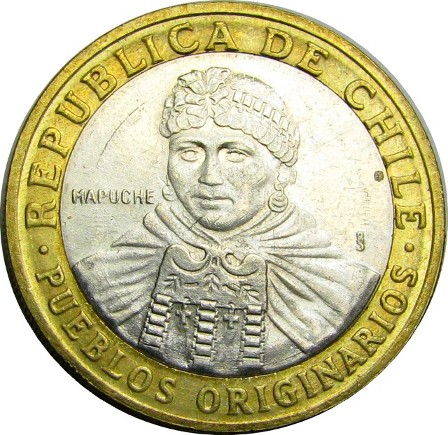
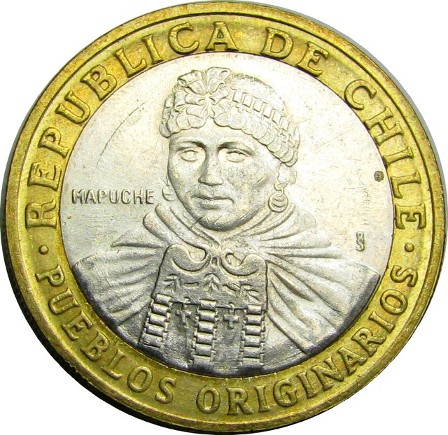
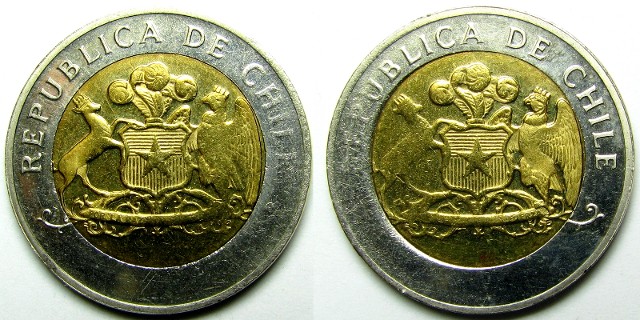
 A Chilean 100 pesos planchet struck with identical obverse pattern dies. It is believed this two-faced mule was struck in the Santiago mint.
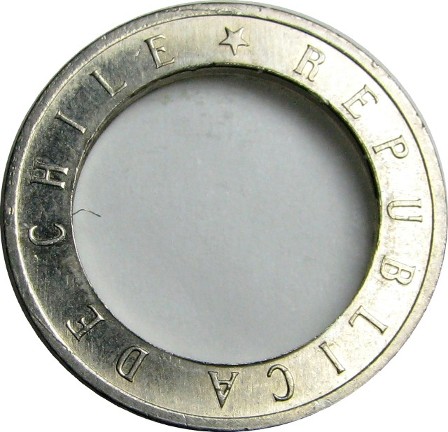
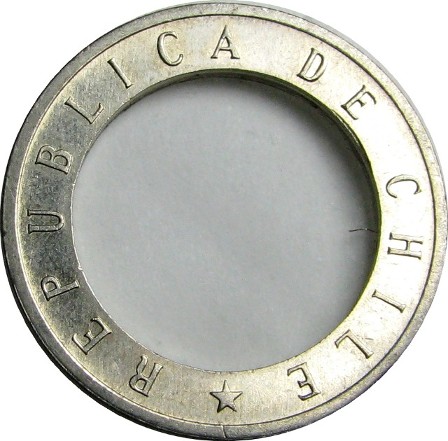
Below is an outer ring meant for a bi-metallic coin from Chile. It too shows identical obverse pattern dies.
Pseudo-mules

PART III. Die Installation:

Mules: 

Pseudo-mules

Definition: A coin with the same raised design on each face, but which is struck with a pair of conventional dies.  Pseudo-mules can be generated by accident or by intent.  There are three ways a pseudo-mule can be generated.  For purposes of this discussion, we’ll describe a pseudo-mule that carries the design of the hammer die on each face.  An example would be a two-headed cent from the 1980’s (before inverted die installation was introduced by the U.S. Mint).

Method 1. A coin flips over on top of a planchet, landing within the collar or in a perfectly centered position. The
two discs are struck together. The original die-struck hammer die design is flattened. The original die-struck anvil die design is obliterated by the force of the strike. The double thickness causes an increase in effective striking pressure, which facilitates erasure of the anvil die design.

Method 2. Two planchets are struck together within the collar, producing two in-collar uniface strikes. The bottom coin is ejected while the top coin flips over and lands on another planchet. During the second strike, the original hammer die design is flattened, while the original featureless surface is struck by the hammer die.

Method 3. The sequence begins with a coin with an in-collar, first-strike brockage of the hammer die design on the face normally struck by the anvil die. The coin flips over and lands in the collar. A planchet is fed on top of it and then struck. The top coin has on its bottom face a first-strike counterbrockage of the hammer die design.

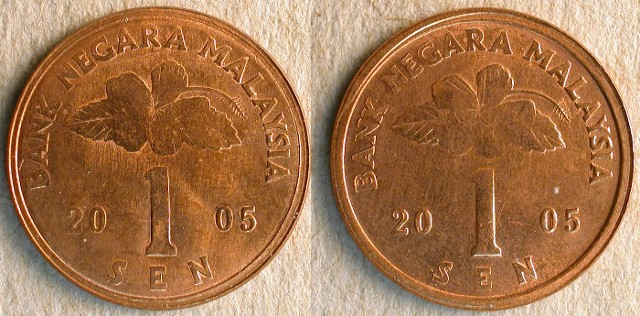
A 2005 Malaysian 1 sen coin shown below carries the obverse design (struck by the hammer die) on each face. It is an intentionally fabricated, double-struck pseudo-mule. Method 2 was almost certainly employed.

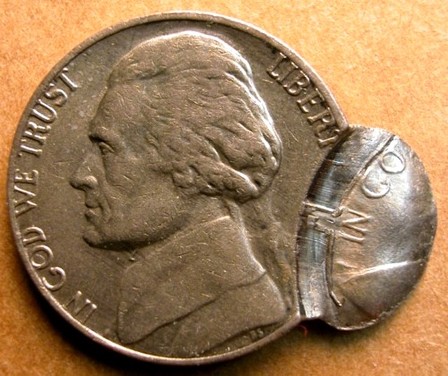
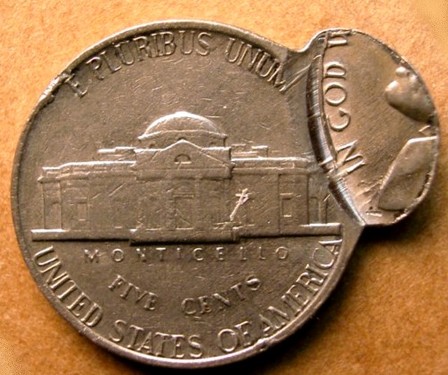
This undated triple-struck nickel shown below displays a spontaneous, off-center pseudo-mule of the obverse (hammer die) design. The second strike was an off-center uniface strike, with the obverse design die-struck. The coin flipped over on top of a planchet and received a second off-center uniface strike in exactly the same spot. The die-struck obverse design from the second strike was flattened by the third strike. The uniface surface from the second strike received a fresh-die struck obverse design during the third strike.

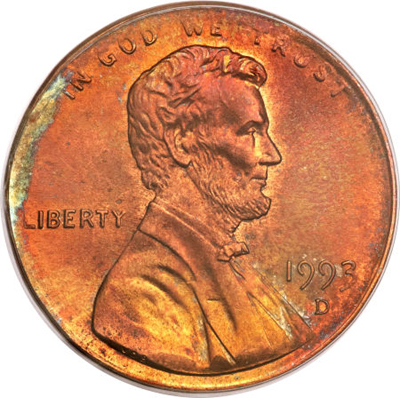
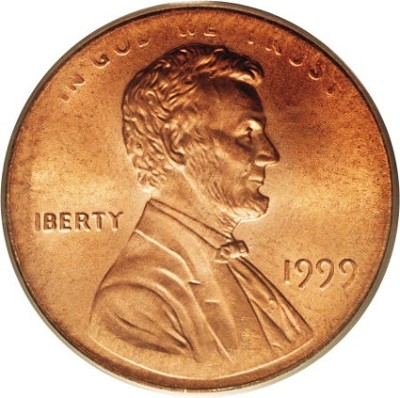
Mules Wrong Anvil Die 1993-D And 1999(P) Cent/Dime Mules

PART III. Die installation Errors:

Mules: 

Wrong anvil die

Definition: Mules are coins struck by mismatched dies. In this case the wrong anvil die was installed in a coin press.

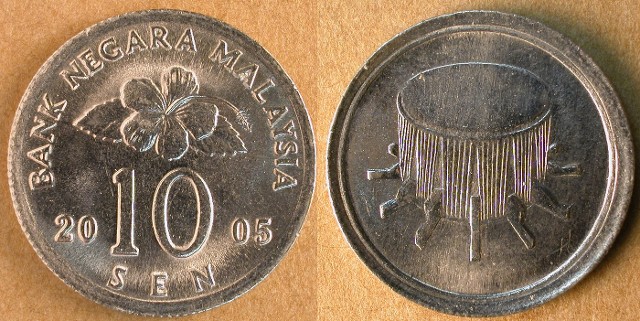
This Malaysian 10 sen mule was struck on a 10 sen planchet in a reeded 10 sen collar and carries a normal 10 sen obverse. The reverse face was struck by a 1 sen reverse (anvil) die.

49291972


This dual denomination mule was struck in 1993 by the Denver mint. It had the correct hammer die (cent die) and the coin was struck on the correct planchet. However, the anvil die (dime die) was mistakenly installed in the coin press which resulted in this unique combination.

 5142161751421618

Images courtesy of Heritage Auctions.


This dual denomination mule coin was struck in 1999 by the Philadelphia mint. It had the correct hammer die (cent die) and the coin was struck on the correct planchet. However, the anvil die (dime die) was mistakenly installed in the coin press which resulted in this unique combination.

 5279298552792987

Images courtesy of Heritage Auctions

Collar Mules; Collar From Different Denominations

PART III. Die Installation Errors:

Mules: 

Collar mules, collar from different denomination of

same or similar size installed

Definition: Collar mule: A coin is struck inside a collar intended for a different denomination of the same or similar size. The edge details will be visibly different, (e.g., smooth instead of reeded).

It pays to remember that three dies are involved in striking a coin – the hammer die, the anvil die, and the
collar.  A mismatch between any of those three dies should qualify as a mule.  The term “collar mule”  has been chosen to identify those errors in which an incorrect collar from one denomination was installed in a press set up
to strike a different denomination.  Of necessity, collar mules would be expected to occur between denominations of the same or closely similar size.

A hypothetical example of a collar mule would be a Sacagawea dollar struck on a Sac planchet by Sac dies but inside a reeded Susan B. Anthony collar.  The logical counterpart would be a Susan B. Anthony dollar struck on an SBA planchet by SBA dies but inside smooth Sac collar.

Collar mules among U.S. coins have not been reported. Edge variations are common among world coins, but whether any are collar mules is unknown.

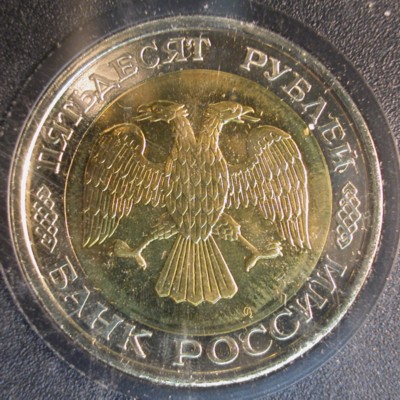
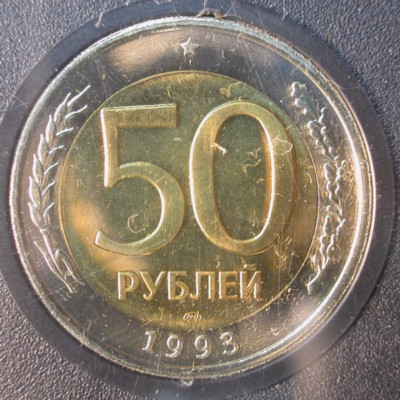
1993, 50 Roubles Transitional Mule

PART III. Die Installation Errors:

Mules:

Temporal / Transitional Mule:

1993, 50 Roubles from St. Petersburg Mint, Russia

This is a temporal mule that’s also a transitional mule.  This bimetallic planchet was found in a 1992 St. Petersburg mint set.  The planchet was supposed to carry a 50 roubles design bearing the date 1992.  While it carries the proper design for this denomination, it shows the date 1993.  The 1993, 50 roubles is supposed to be struck on a solid aluminum-bronze planchet.

Someone at the St. Petersburg mint evidently grabbed from storage a reverse die intended for use the following year.
We suspect this was accidental.  The die was then used to strike the proper planchet for 1992.  Around 50 similar errors are known from other St. Petersburg mint sets released the same year.

Design/Composition Mismatches

Part III. Die Installation Errors:

Design/composition mismatches


Definition: High-relief designs, or designs enhanced in some other manner, may be associated with a thicker planchet or one with a different composition. This creates the potential for dies with the enhanced design to be mistakenly used to strike planchets associated with the ordinary design. The opposite situation can also occur, where dies carrying the ordinary design are used to strike planchets associated with the enhanced design.

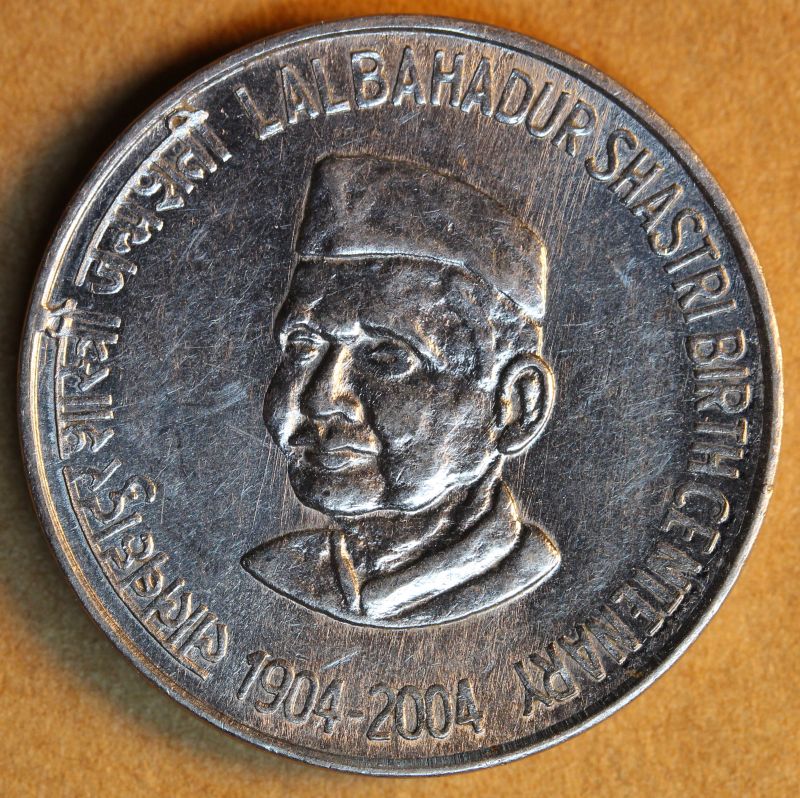
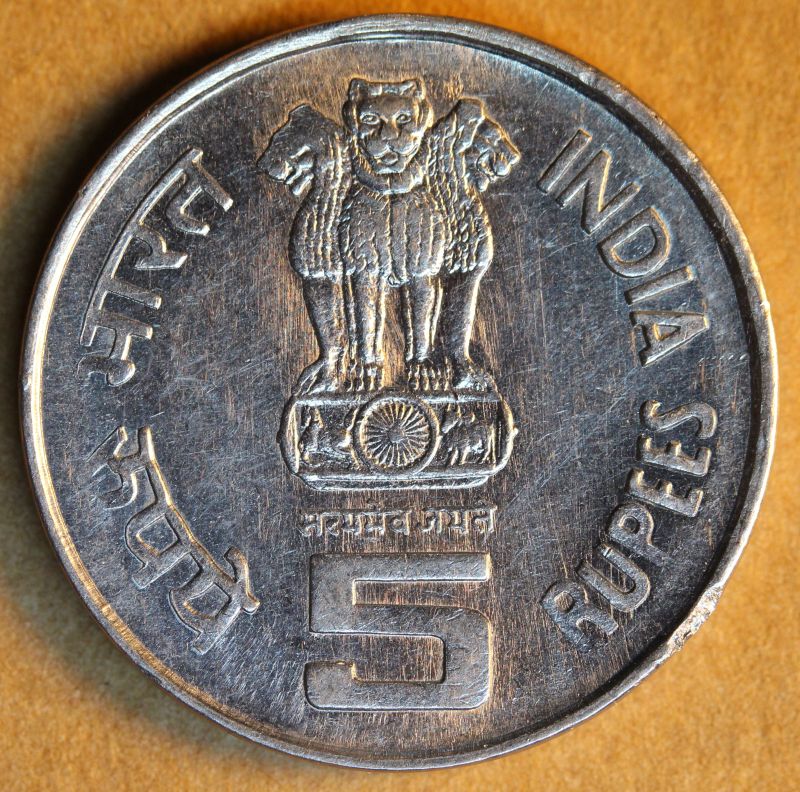
This 1994 stainless steel commemorative 5 rupee coin carries a high-relief design normally associated with a heavier, thicker copper-nickel planchet.


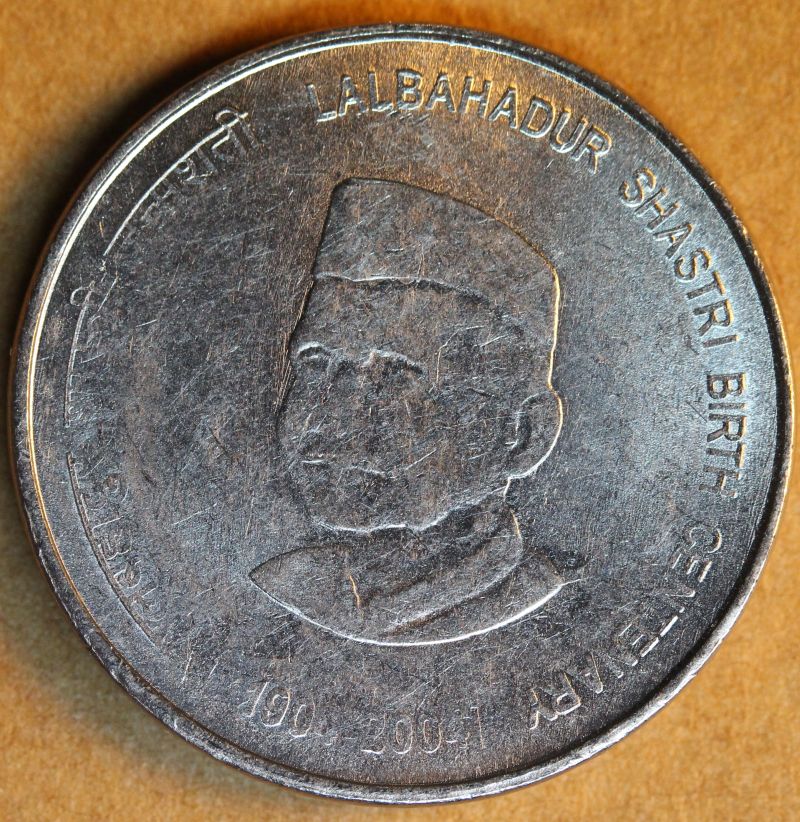
This 1994 stainless steel commemorative 5 rupee coin carries the normal low-relief design.


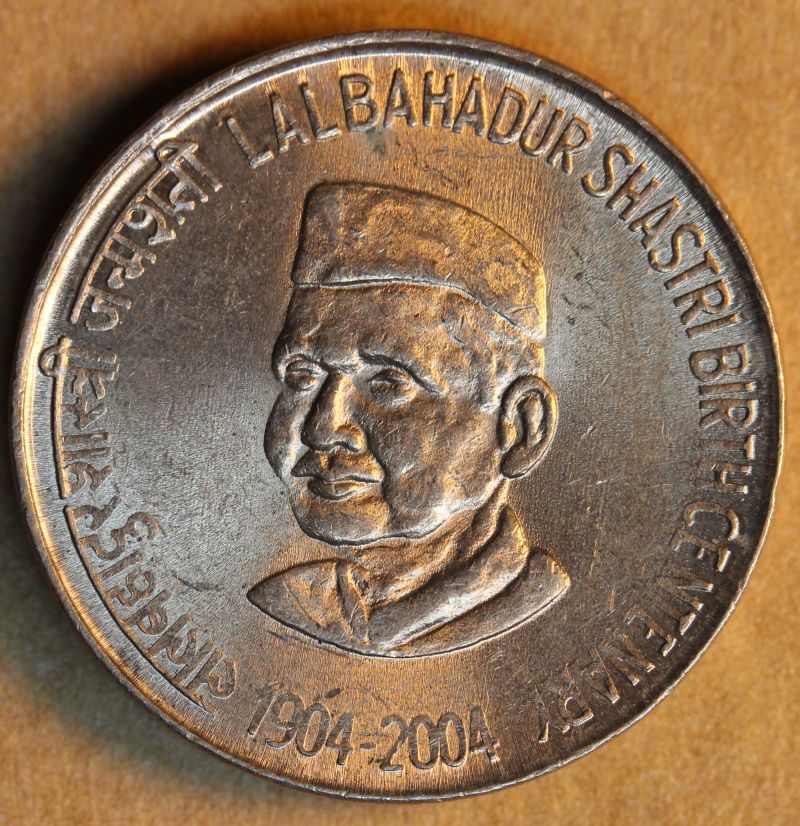
This 1994 copper-nickel commemorative 5 rupee coin carries the normal high-relief design.

Other design/composition mismatches affecting commemorative 5 rupee coins involve one high relief die and one low-relief die on either the obverse or reverse face. These would represent mules as well as design/composition mismatches.

Two Anvil Dies / Foreign

PART III. Die Installation:

Mules: 

Two anvil dies


Definition: Mules are coins struck by mismatched dies.

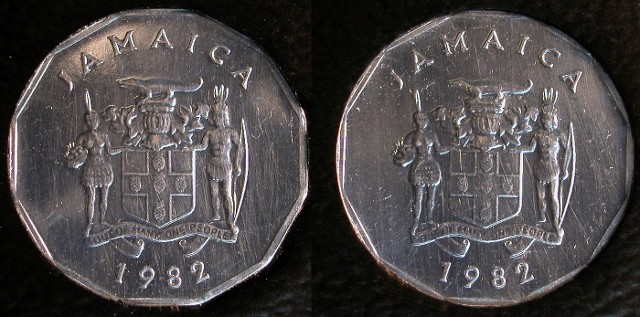
The 1982 Jamaica cent shown below displays the obverse design on each face. Since Jamaica is a former British colony the obverse design was probably struck by the anvil die. The U.K. and its former colonies typically use the obverse die as the anvil die.

49291976

The obverse design on the Chilean 100 pesos bi-metallic coin shown below is carried by the anvil die.  One properly installed anvil die was paired with a second anvil die acting as the hammer die. Only one example of this mule is currently known.

4963815549638155 (1)

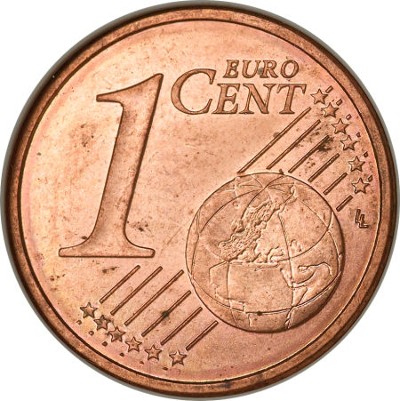
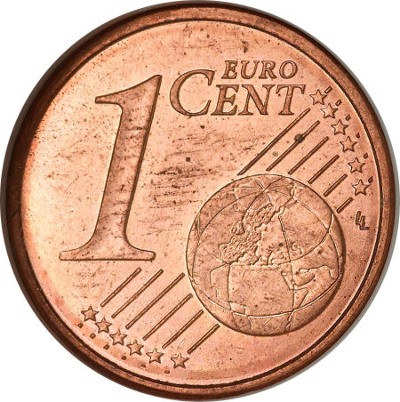
The images below show a 1 EURO cent — country of origin and date unknown — that was struck with two reverse (anvil) dies.

51644212 51644209

Images are courtesy of Heritage Auctions.

Washington Quarter Obverse with Sacagawea Reverse

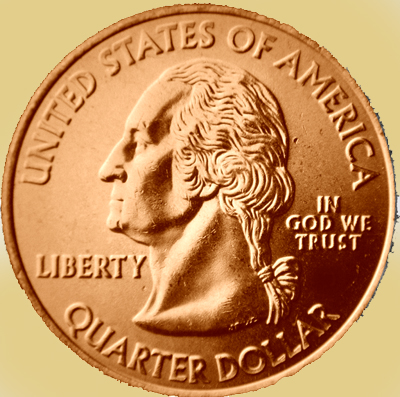
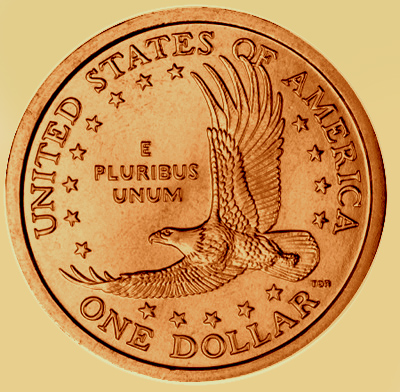
Washington quarter obverse with a 2000P Sacagawea

dollar reverse.


Debuting in May of 2000, this slip up was destined to make history. At the time, it was the only known “mule” coin in United States history.

For those who are not professional numismatists, a mule is a pairing of two different coin designs on one coin — in this case, a State Quarter and the brand new Sacagawea dollar. Previous to the discovery specimen of this famous coin, mules were not known to exist in United States coinage, though commonly found in foreign series.

After authentication and subsequent confirmation of its existence by the United States Mint, a firestorm of controversy was set off. How could this happen? Was it intentional? The biggest debate — was it legal to own?

After near forensic inspection and an unconfirmed report by an anonymous US Mint employee, it was determined that the anomaly was produced due to the similar sizes of the “coin dies” of a State Quarter and the new Sacagawea dollar. A coin die is the part of a coin press that places the design on the coin. Ironically, this was the very reason that the previous dollar coin, the Susan B Anthony, was despised by the public.

The quarter die was placed into a press currently in production of Sacagawea dollars. The rest is history — several coins were struck before the error was discovered. Many of the coins were discovered before reaching the public and were subsequently destroyed.

Interestingly, upon closer inspection of the 10 known specimens, it’s apparent that the errors were produced at three separate times. It’s theorized that these are “copycat” errors produced by rogue US Mint employees after word spread of the first discovery. Many of the coins were discovered in Philadelphia, the home of the primary United States Mint.

While it’s been nearly a decade since the last sale of the Sacagawea Mule, it’s speculated that they could bring a whopping $250,000 at auction.

8 of the 10 known specimens have been handled by the author, Fred Weinberg of Beverly Hills.

There are now ten (10) confirmed specimens of the Sacagawea Dollar/Quarter Mule. The ten confirmed specimens are:

Mule #1. The “Discovery” specimen, found in Mountain Home, Arkansas by Frank Wallis. Originally sold by Bowers
& Merena Auction Galleries at the 2000 ANA Philadelphia Millennium Sale for $29,900. Purchased from Dwight Manley by Fred Weinberg in late June 2001 and then sold to Tommy Bolack for $67,000.

PCGS MS-66 (Die Pair #1)

Mule #2. The “eBay” specimen, sold by Delaware Valley Rare Coin Co., in Bromall Pennsylvania for $41,395 in July 2000. Purchased at the Heritage Numismatic Auctions Signature Sale held June 1, 2001 at the Long Beach Coin Expo for a then record price of $56,350, by Tommy Bolack. NGC MS-67 (Die Pair #2)

Mule #3. The “Heritage Auction” specimen, sold in the Heritage Numismatic Auction Pre-ANA Sale August 6, 2000 for $31,050. Then into a private collection, after being purchased off an eBay Auction in October 2000. Currently owned by Tommy Bolack. NGC MS-66 (Die Pair #2)

Mule #4. The “Margolis” specimen, originally from Fred Weinberg of Encino, CA. Sold by Arnold Margolis to a private collector in September 2000 for $47,500. PCGS MS-65 (Die Pair #1)

Mule #5. The “Greg Senske” specimen, found in Cape Girardeau, Missouri. This coin was discovered Sept. 2000 in change from a cashier at a cafeteria, and was in a 25-coin roll of Sacagawea $1, wrapped in a U.S. Mint designated paper wrapper. This piece is not on the market at this time. NGC MS-67 (Die Pair #3)

Mule #6. The “Fred Weinberg” specimen, discovered on the East Coast in June 2000 and sold by Fred Weinberg at the Long Beach Coin Expo October 5, 2000 for $50,000 to an anonymous collector. Purchased in May 2003 for $75,000 by Tommy Bolack. PCGS MS-66 (Die Pair #1)

Mule #7. The “Philadelphia” specimen, purchased by Tommy Bolack from Maryland Coin Exchange in early February 2001 for $48,000. MCE purchased this piece from the man who discovered it in a roll of dollars in July 2000 in Pennsylvania. NGC MS-64 (Die Pair #2)

Mule #8. The “Tommy, Bolack-1” specimen, purchased in June 2001. The purchase price was not disclosed. PCGS MS-66 (Die Pair #1)

Mule #9. The “Tommy Bolack-2” specimen purchased in July 2001. The purchase price was not disclosed. PCGS MS-65 (Die Pair #1)

Mule #10. The “Treasury” specimen, first reported in August 2001 by a convenience store owner who received it in payment in his downtown Philadelphia store in summer 2000. It was taken by Treasury Dept. officials in August 2001 to verify authenticity and to examine the piece at the Philadelphia Mint. It was returned by the Treasury Department in October 2001 and subsequently purchased by Fred Weinberg, who sold it in November 2001 to Tommy Bolack for $70,000.

Two Anvil Dies / Domestic

Part III. Die Installation Errors:

Two Anvil Dies:

Domestic


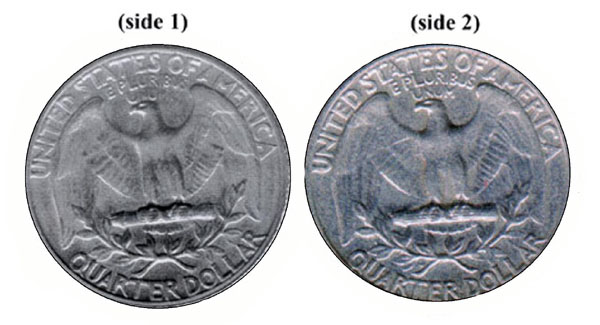
Definition: This error occurs when a planchet is struck by two identical dies bearing the anvil die design. There are several domestic examples, a unique two-tailed dime and 2-3 two-tailed quarters.  All these errors are thought to have been struck in 1965.

This Cu-Ni clad two-tailed Washington quarter is thought to have been struck in 1965. It is one of two known examples. There is another two-tailed quarter that is more likely to be a double-struck pseudo-mule.

Part IV. Die Errors:


Reeding vs. no reeding varieties (foreign only)

Concentric lathe lines (ES Nov/Dec 2003)

    • Various years and denominations
      • Common on the 1996-D Lincoln cent

Rusted dies (CW 12/1/08)

Excessively deep rim gutter

    • 1991 cents

Rockwell test mark left in die (hemispherical bump seen on coin) (ES July/Aug 2006)

Vickers test mark left in die (pyramidal bump) (CW 5/15/17)

Collar manufacturing errors

    • Wide collar (ES Nov/Dec 2002; CW 5/17/10)
      • Created by improper machining or improperly machined broach
      • Created by use of wrong broach
      • Improper use of correct broach
      • Widening due to wear
      • Widening due to 3 or more vertical collar cracks and associated expansion (CW 5/17/10)
    • Abnormal reeding
      • 1921 Morgan dollar with infrequent reeding
      • 1924-D Mercury dime with infrequent reeding
      • 2015 American Eagle 1/10oz gold bullion coin with narrow reeds (CW 7/13/15)
      • Low, narrow reeds caused by truncation of ridges on collar face (ES March/April 2010; CW 1/25/10, 4/16/12)
        • 1964-D 25c
        • 2008-P New Mexico 25c
          • COIN WORLD SPECIAL: article posted HERE

Hub retouching

    • Channeling: Retouching of design element on master and/or working hubs (1920s to 1940s) (CW 7/23/12)
    • Re-engraved master hub (CW 1/1/24)

Die retouching (CW 5/30/16, 9/30/19)

    • Re-engraved designer’s initials “AW” on 1944-D half dollar (CW 2/2/04, 2/16/04, 3/1/04)
    • Re-engraved tail feathers on business-strike 1957-D quarter
    • Re-engraved front of Lincoln’s coat (1953 proof cent)
    • Re-engraved queue on 1952 – 1954 proof nickels
    • 1938 proof nickels with re-engraved letters and design details (ES Jan/Feb 2009)
    • Retouching of the 1944 date on the Lincoln cent master die
    • Retouching of the date on 1946-S Lincoln cent working dies

Die damage (ES Nov/Dec 2004, Jan/Feb 2003; CW 5/21/12)

    • Die dents (ES Nov/Dec 2004, July/August 2005, Nov/Dec 2005; CW 9/15/03, 12/22/14, 3/28/22, 7/31/23)
    • Die scrapes (CW 4/23/07)
    • Accidental die scratches
    • Die gouges
    • Impact scars
    • Accidental die abrasion (CW 9/8/14, 12/16/19)
    • Intentional die abrasion (“die polishing”) (CW 3/29/10, 5/31/10, 9/8/14, 3/20/23)
      • Heavy die scratches
      • Thinning and loss of design elements
        • Two Feather Indian Head Nickel (various dates)
        • 3-legged Indian Head Nickel (1937-D)
        • 3 ½ legged Indian Nickel (1936-D)
      • Abrasion affecting entire die face
      • Localized abrasion
    • Defects related to die polishing
      • Over-polished proof and Special Mint Set dies (CW 2/21/11)
      • Trails and Wavy Steps (ES July/Aug 2006, Sept/Oct 2006, Nov/Dec 2006, Jan/Feb 2011; CW 3/8/10)
      • Localized removal of field from proof polishing (CW 2/14/2011)
        • COIN WORLD SPECIAL: article posted HERE
    • Die attrition errors (ES May/June 2003, March/April 2005, March/April 2009; CW 1/4/10, 12/24/12, 4/14/14, 11/4/19, 7/3/23, 10/16/23)
    • Other forms of peripheral die damage (ES March/April 2005; CW 8/9/21, 3/14/22)
    • Catastrophic die damage (ES March/April 2002; CW 9/15/03, 9/12/11, 9/19/11, 5/20/13, 10/27/14, 6/19/17)
    • Cancelled or defaced dies (foreign only) (CW 5/8/17, 12/31/18)
      • 1994 Hong Kong bimetallic 10 dollars
      • Egypt 25 piastres struck by defaced 50 piastres dies (CW 5/12/14)
      • 1966 Bolivia 10 centavos struck by pair of canceled dies (CW 5/8/17)
      • Chilean test dies with concentric cancellation pattern struck over struck foreign core (CW 5/8/17)
    • Rockwell test mark in die (CW 5/15/17)
    • Vickers test mark in die (CW 5/15/17)
    • Die rings (tiny rings, semicircles, crescents, and spirals)  (CW 2/20/17, 1/18/21, 6/13/22)
        • Centrally-located
        • Offset
  • Collar damage (ES March/April 2010; CW 1/25/10, 4/16/12, 6/17/19)
    • Horizontal abrasion (CW 1/25/10, 4/16/12)
    • Vertical abrasion (CW 6/17/19)

Hubbed-In debris (CW 5/27/13)

Deformed collar (CW 12/18/20)

Clashed dies (ES March/April 2002; CW 3/22/10, 4/30/12)

    • Clash marks
    • Multiple clash marks (CW 6/25/12, 11/11/19)
      • Chatter clash
  • Raised clash marks (CW 8/11/14)
  • Double clash with reciprocal counterclash (Type 1) (ES Nov/Dec 2004; CW 12/13/10, 7/29/19)
  • Misaligned die clashes (ES May/June 2004, July/August 2004; CW 6/25/12)
    • Horizontally misaligned die clash
    • Vertically misaligned (tilted) die clash (CW 1/3/11, 5/9/11)
      • COIN WORLD SPECIAL: article posted HERE
    • Pivoted die clash
    • Radically misaligned, rotated, pivoted clashes – produced at installation? (CW 7/12/10, 12/31/12, 5/27/19)
      • Co-occurrence with conventional clash (CW 8/17/15)
    • Rotated die clash (CW 1/22/18, 6/26/23)
    • Combination clashes
  • Mule clash errors, e.g. (ES July/August 2002; CW 11/17/08, 8/13/18, 8/20/18, 4/8/19)
    • 1864 2c reverse die clashed with Indian cent obverse die
    • 1857 1c obverse die clashed with Seated Liberty 50c obverse die
    • 1857 1c reverse die clashed with Seated Liberty 25c reverse die
    • 1857 1c obverse die clashed with Liberty $20 obverse die
    • (For detailed information concerning the 1857 die clashes CLICK HERE)
    • 1870 Shield nickel obverse clashed with Indian Head cent obverse
    • 1999 cent reverse die clashed with another cent reverse die
  • Floating die clash (collision with die fragments) (ES May/June 2002, May/June 2005; CW 7/19/10)
  • Superclash (full reciprocal design transfer) (CW 3/22/10, 10/22/18)
  • Circumferential clash marks (CW 12/10/18)
  • Grease-enhanced clash marks (CW 10/16/17)
  • Associated with weak strikes (CW 12/2/19)
  • Clashed die progressions (CW 5/15/23)

Collar clash (CW 6/11/07, 2/24/22)

    • Hammer die
    • Anvil die
      • Inverted die setup (uncommon)
      • Traditional die setup (extremely rare) (CW 10/30/23, 12/18/23)
    • Floating collar clash (CW 4/17/17)
    • Misaligned collar clash (CW 2/13/23)

Die damage with design transfer

    • Floating die clash (ES May/June 2002, May/June 2005; CW 7/19/10)
      • Exogenous floating die clash (CW 6/20/22)
    • Floating (Type 2) counterclash (ES May/June 2002, July/August 2002, Sept/Oct 2002, Jan/Feb 2009, Sept/Oct 2011; CW 9/29/08, 12/13/10, 4/9/12, 4/21/14, 6/8/15, 4/23/18, 2/21/22, 12/19/22, 2/20/23)
      • COIN WORLD SPECIAL: article posted HERE
    • Miscellaneous and unexplained forms of design transfer/duplication
      • Some presumed Canadian counterclashes may prove to be something else

Die deterioration/deformation errors

    • Exaggerated conventional die wear (CW 12/27/21)
      • Radial flow lines
      • Concentric flow lines (uncommon)
      • Parallel flow lines (promoted by pre-existing trails)
      • Orange peel texture
      • Design-devouring die wear (thinned letters and numbers) (CW 10/28/13, 2/22/16, 8/23/21)
    • Die deterioration doubling
      • Raised doubling
      • Incuse (CW 2/4/08)
    • “Blebs” or “patches” (die erosion pits) (ES July/Aug 1998; CW 7/21/03)
    • Discrete lumps (CW 4/27/20)
    • Progressive, indirect design transfer (“internal metal displacement phenomenon”, “ghosting”) (CW 6/7/10, 8/17/20)
      • Common in 1946-S and 1948-S cents
    • Surface-level die deformation errors (ES July/Aug 2001, Nov/Dec 2001; CW 9/17/12) (premature, localized, exaggerated, and peculiar patterns of deformation)
      • 1943-S “goiter neck” quarter
      • Detail-erasing die wear (2016-P Harper’s Ferry quarter) (CW 2/27/17)
    • “Ridge rings”
      • On copper-plated zinc cents (CW 2/14/05, 2/28/05)
      • On other U.S. denominations (CW 2/15/21)
      • On world coins (ES Sept/Oct 2006; CW 2/17/14, 11/10/14)
    • Design berms (raised outlines) (CW 5/14/18, 11/6/23)
    • Die subsidence (sunken die) error (ES July/August 2004, Nov/Dec 2004; CW 6/2/03, 11/29/04, 3/12/12, 2/12/18, 8/14/23)
      • e.g., 1924-S – “goiter” cent
      • Co-occurring with split dies
      • Co-occurring with radial, antipodal die cracks (CW 6/20/11)
      • 1988-P nickels with lump on head
        • COIN WORLD SPECIAL: article posted HERE
      • Massive die collapse in 2003-D dime (ES Nov/Dec 2011; CW 8/29/11)
      • Paralleling and flanking die cracks (CW 8/12/13)
      • Recurring die subsidence error (CW 4/4/11, 3/31/14)
      • Linear die subsidence errors (CW 8/12/13)
    • Thermal warping (CW 5/29/23)
    • Design creep
      • Reverse (hammer) 2014-P nickel die (CW 4/20/15)
      • In fractional Euro coins
    • Peripheral die expansion and erosion (CW 8/13/12, 4/13/15)
    • “Starburst” pattern of radial streaks (cause uncertain) (CW 8/15/05, 11/7/05)
    • Reciprocally deformed, convex-concave dies
      • Centrally-located deformation; 2001-P 50c) (ES Sept/Oct 2008; CW 1/19/15)
      • Peripherally-located deformation; India 2 rupees (CW 1/19/15)

Die breaks

    • Cuds (corner die breaks) (CW 10/17/11, 10/4/21)
      • Irregular cuds
      • Ovoid cuds
      • Crescentic cuds (ES March/April 2005; CW 2/15/16)
      • Circumferential cuds (ES March/April 2005; CW 2/15/16)
      • Rim-to-rim cud (ES May/June 2003, CW 12/24/18)
      • Elongate Cuds (CW 12/8/14, 12/21/20, 7/31/23)
      • On off-center or broadstruck coins (CW 9/12/11)
      • Deep vs. shallow die breaks (CW 6/2/20)
    • Retained Cuds (ES Jan/Feb 2006; CW 4/17/06, 7/24/06, 1/24/11)
      • COIN WORLD SPECIAL: article posted HERE
      • Anvil die (diagnosis often in doubt)
      • Hammer die (doubtful) (CW 8/8/13)
      • With vertical displacement
      • With horizontal offset
      • With lateral spread
      • Outthrust (protrudes beyond die face) (CW 3/11/19)
        • Hammer die
        • Anvil die
  • Interior (internal) die breaks (ES May/June 2003; CW 10/25/10, 11/5/18, 8/14/23)
    • Connected to die cracks or splits
    • Freestanding (ES May/June 2005)
  • Retained interior die breaks (ES July/August 2004)
    • Connected to die crack or split
    • Freestanding
  • Rim cuds (CW 5/3/21)
  • Die chips (CW 6/14/19, 7/8/19)
    • On raised die features (CW 2/28/22)
  • Catastrophic die failure (ES May/June 2007; CW 5/20/13, 2/27/23, 6/19/23)
  • Spontaneous breaks
  • Breaks produced by impacts
  • Textured and dimpled cuds (CW 10/17/11, 10/12/20)
  • Cryptic cuds (CW 4/17/23)

Die exfoliation errors (CW 10/19/20)

Collar breaks (collar cuds) (ES May/June 2008; CW 11/22/10, 5/17/10, 11/22/10, 12/19/16)

    • Complete collar break (abrupt loss of entire arc segment)
    • Irregular collar break
    • Chipped collar
    • Vertical collar crack
    • Retained collar break
    • Rotating collar break (ES July/August 2003; CW 1/6/03, 12/12/16, 4/20/20, 12/28/20)
    • Bilateral split collar
    • On off-center strikes (CW 9/9/19)
    • Catastrophic collar failure (CW 7/17/23)

Die cracks (CW 4/25/16)

    • Rim-to-rim
    • Arcing rim-to-rim (“pre-cud”) die crack (ES Jan/Feb 2006; CW 2/8/21)
      • With lateral spread
    • Blind-ended
    • Bi-level die cracks (ES July/August 2004)
      • Protruding marginal die segments (CW 5/19/14)
    • Radial, antipodal die cracks (with centralized subsidence) (ES Sept/Oct 2011; CW 6/20/2011)
    • Die Crazing (Crazed Die)
    • Shattered dies (ES Jan/Feb 2006, May/June 2007; CW 4/7/08, 9/17/18, 4/6/20)
      • Broas Pie Baker Store Card Token of 1863
      • Two or more splits in die
      • Numerous wide, intersecting, raised die cracks
      • Numerous intersecting bi-level die cracks
      • Various combinations of brittle fracture
      • In response to impacts (CW 6/19/17)
    • Impact-Induced Die Cracks (CW 6/19/17)

Split dies (ES Jan/Feb 2006; CW 6/2/03, 4/10/06, 4/17/06, 6/20/2011, 5/11/15, 9/17/18, 4/26/21, 4/18/22, 7/18/22)

    • Median (bisecting) split die
    • Asymmetrical split die (CW 7/31/23)
    • False split (bilateral, radial, antipodal die cracks) (ES Sept/Oct 2011; CW 6/20/2011)


Green lettering – major heading

Blue lettering – linked to subject matter

Brown lettering – subject matter covered under that heading

Black lettering – no entry yet

  • « Previous Page
  • 1
  • 2
  • 3
  • 4
  • Next Page »
  • Home
  • Introduction To This Website
  • Error-ref.com News
  • Comprehensive Error-Variety Checklist
  • Index Of Completed Entries
  • Part I. Die Subtypes:
  • Part II. Die Varieties:
  • Part III. Die Installation Errors:
  • Part IV. Die Errors:
  • Part V. Planchet Errors:
  • Part VI. Striking Errors:
  • Part VII. Post-Strike Mint Modifications:
  • Part VIII. Post-Strike Striking Chamber Mishaps:
  • Part IX. Post-Strike Mint Damage:
  • Part X. Wastebasket / Composite Categories:
  • Part XI. Non Errors:
  • Featured Articles Of Interested
  • Interest & Not So Interesting Facts
  • Other Sites And Forums Of Interest
  • Our Thanks Go To
  • About The Authors
  • Contact Us

Copyright © 2026