Error-Ref.com

You are here: Home / Search for "off center"

Search Results for: off center

Cracked and Peeling Plating

Part V. Planchet Errors:

Plating Errors:

Cracked and Peeling Plating

Definition: Plating that cracks or peels up before or after the strike. Among copper-plated zinc cents, this type of plating error is comparatively rare.
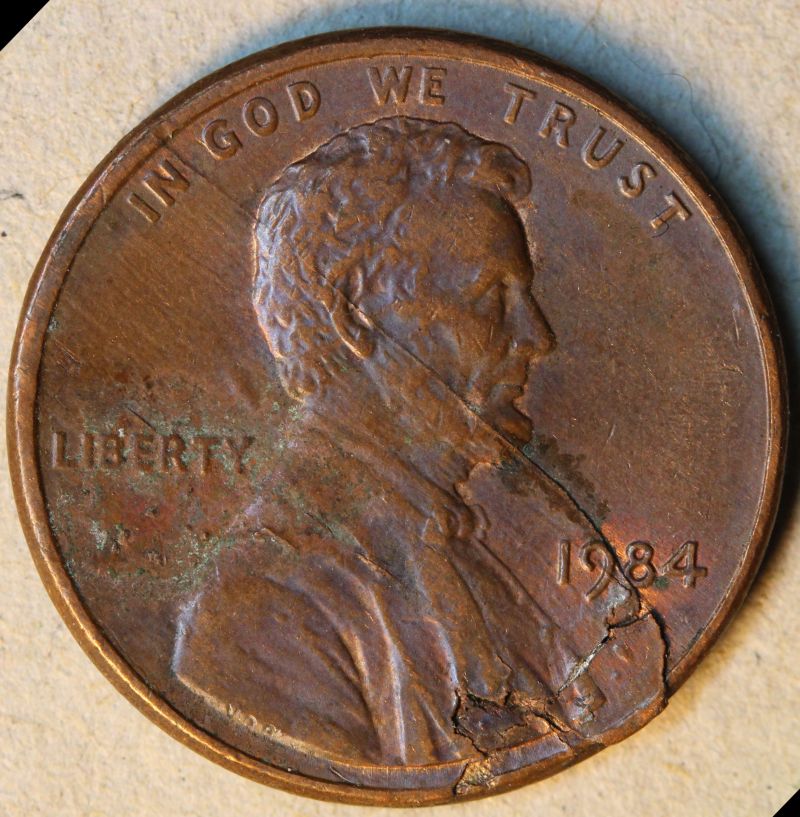

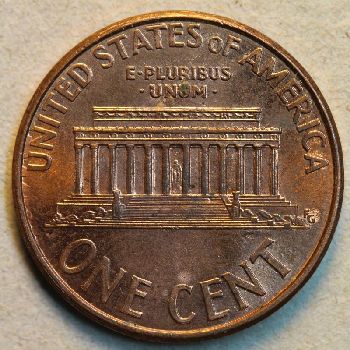
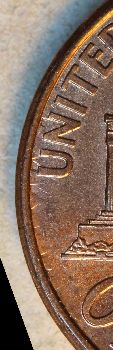
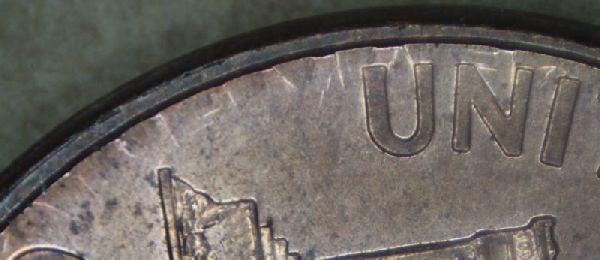
This 1984 cent shows extensive cracking of its copper plating. Some has peeled up or is in the process of peeling up toward the southeast periphery.
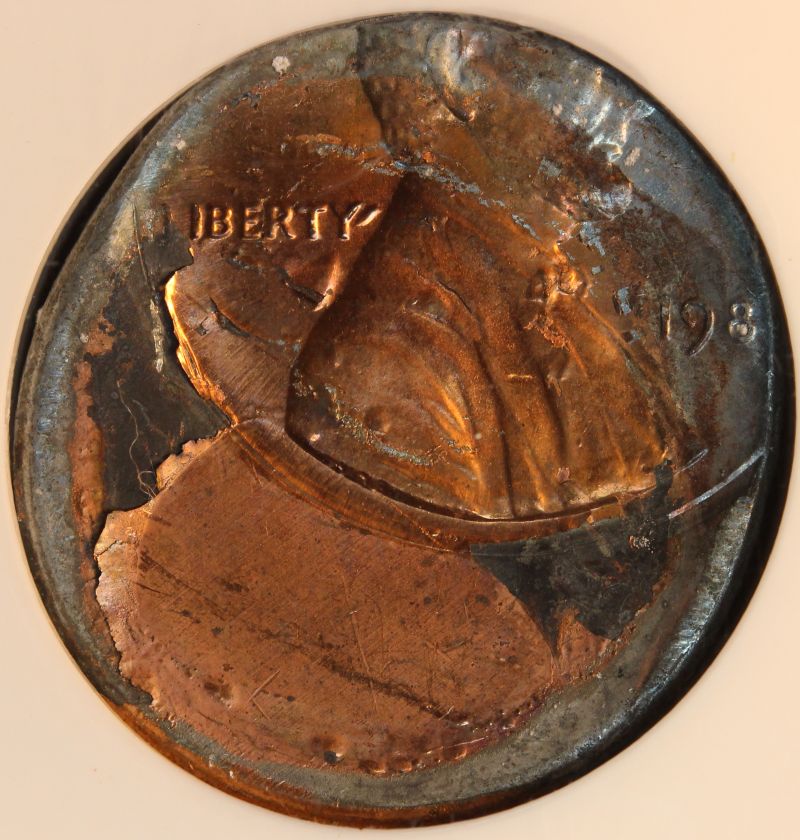
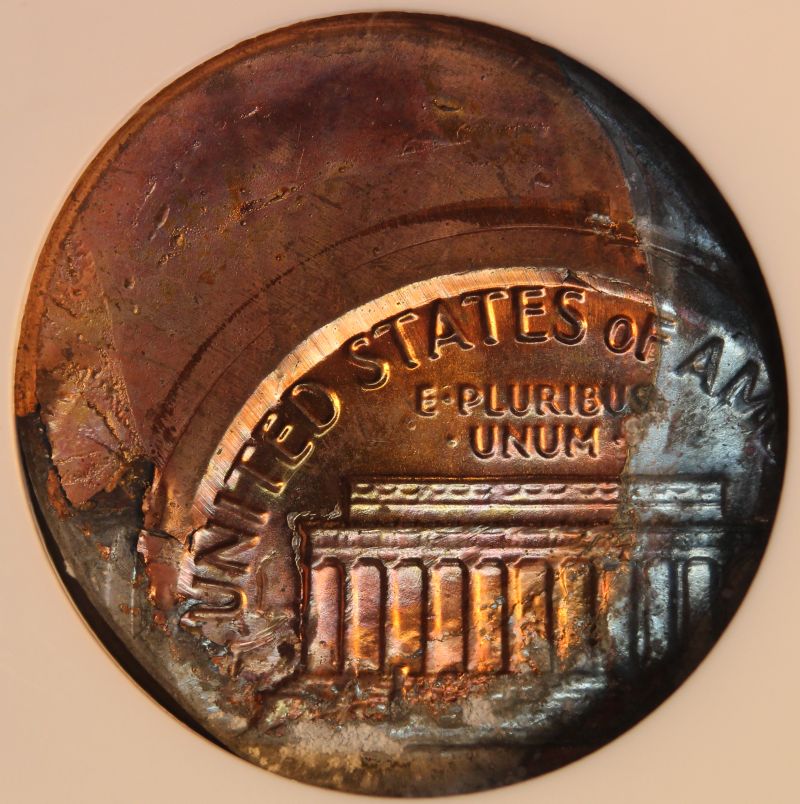


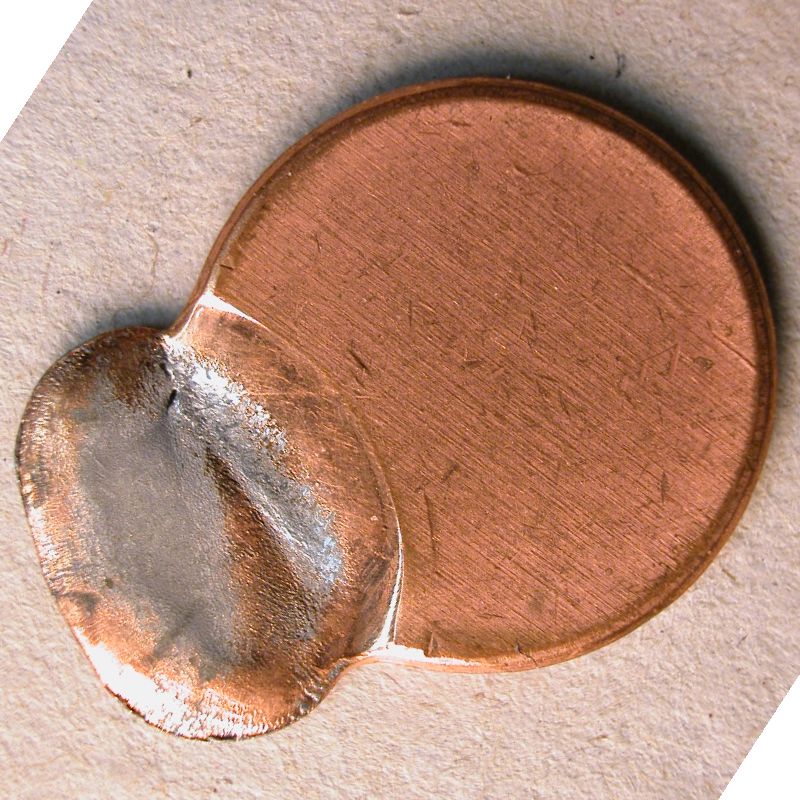
Struck sometime in the 1980s, this off-center cent was struck on a partly-plated planchet. What plating is present is peeling up in many areas. The peeling can be seen on both the unstruck and struck portions of the coin.
External Struck-Through Errors (With Cupping)

Part VI. Striking Errors:

Intra-Strike Damage:

External Struck-Through Errors (With Cupping)

Cross-referenced as:

Part VI. Striking Errors:

Cupping:

On Unobstructed Strikes:

Forced:

By Foreign Object or Machine Part

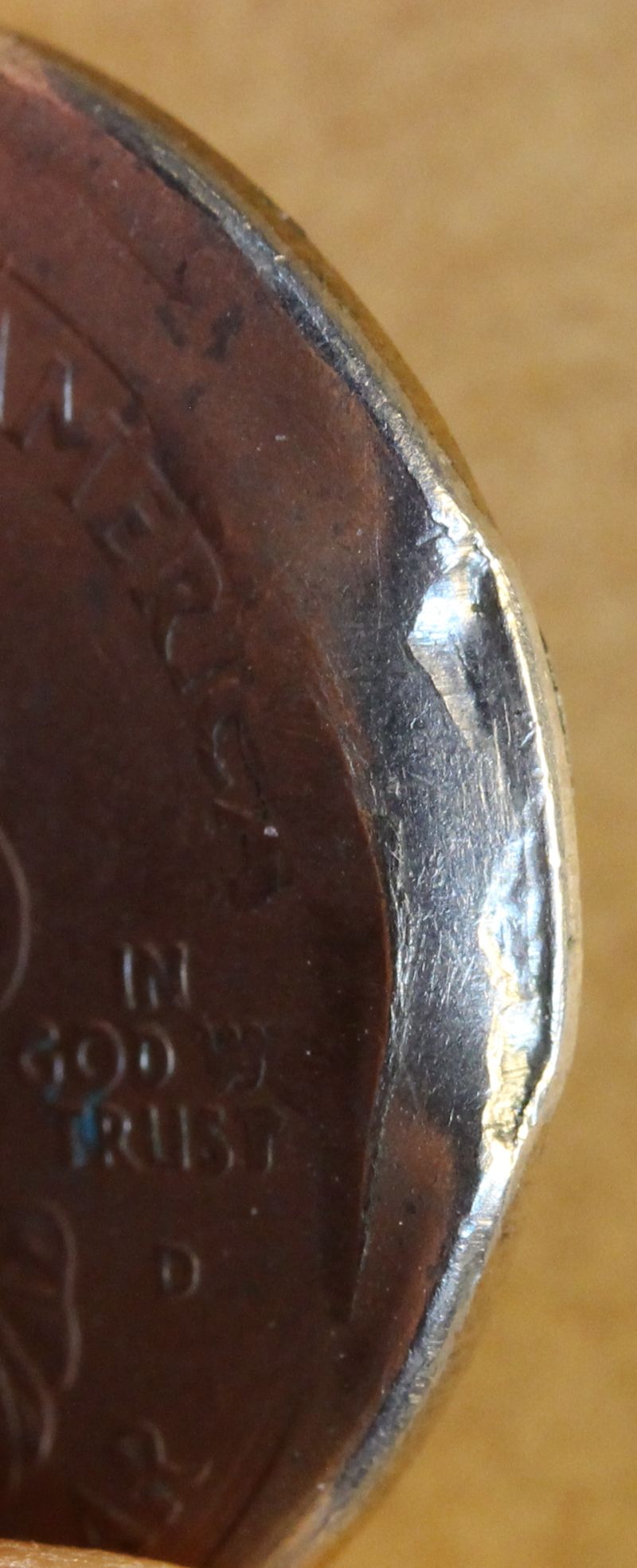
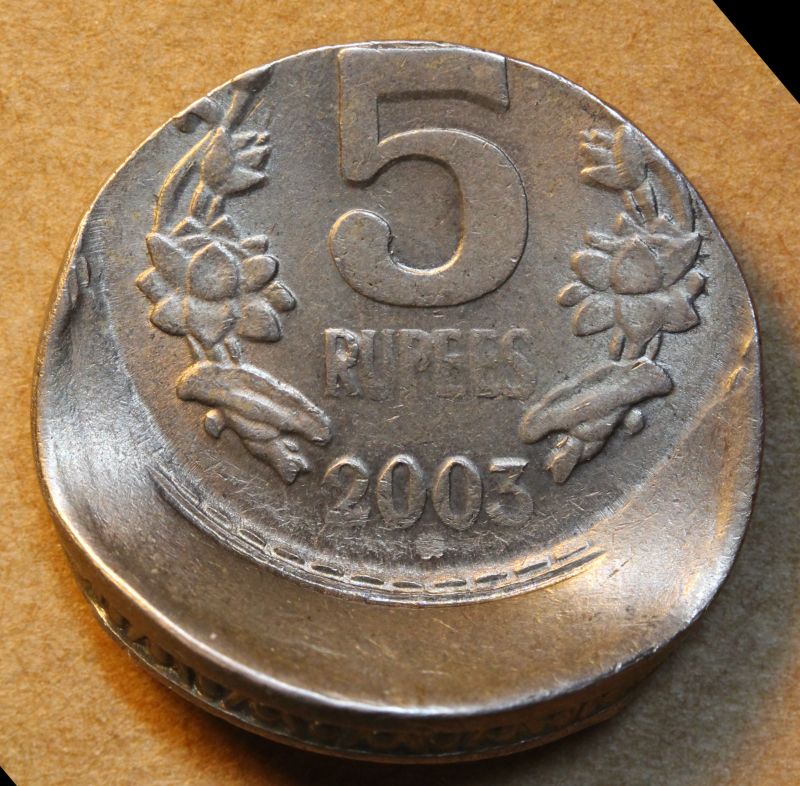
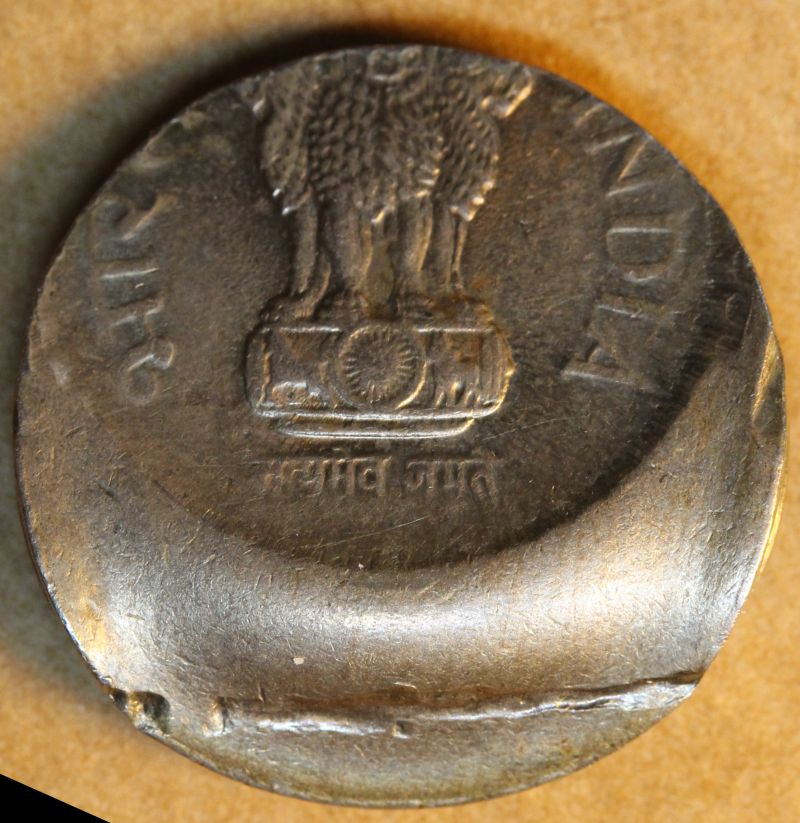
Definition: The unstruck portion of an off-center planchet is forced down upon an underlying obstruction by the impact of the hammer die. This forces the unstruck portion of the coin upward and simultaneously leaves the underside of the unstruck crescent with an indentation which is called an external struck-through error.


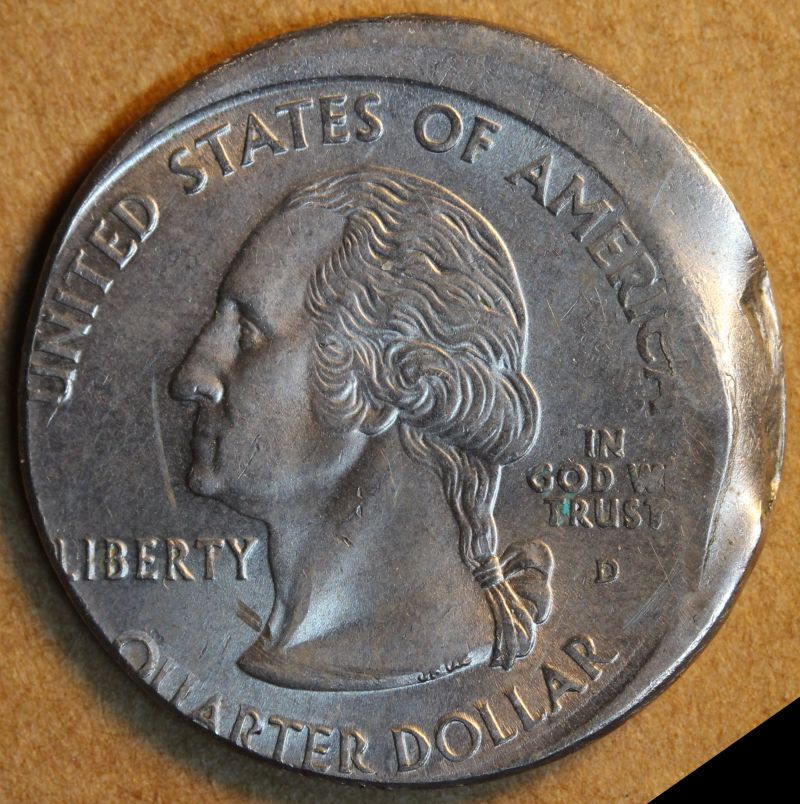
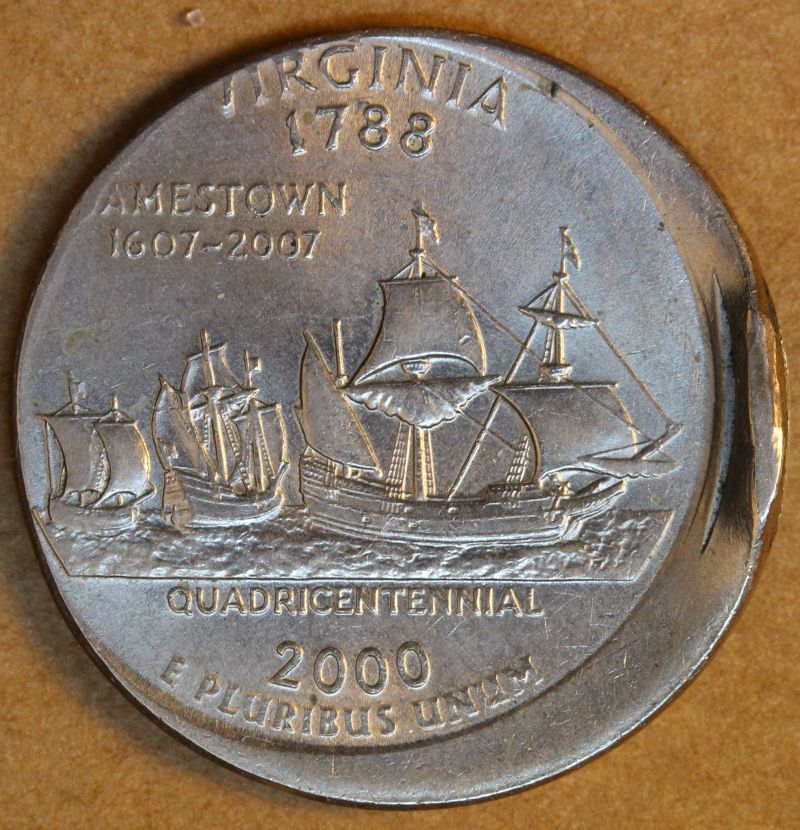
This 2000-D Virginia quarter was struck off-center. The portion of the planchet that protruded outside the striking chamber rested on an obstruction. The impact of the hammer (reverse) die caused the presumed foreign object or machine part to push the unstruck crescent into a vertical orientation. It also generated a short arc of design rim. The external struck through error can be seen on the outside of the cupped portion of the unstruck crescent.


This off-center 2003 India 5 rupee coin features an external struck-through error and forced cupping generating by the foreign object or machine part that was positioned beneath the unstruck portion of the coin. The unstruck crescent is tilted upward at an angle of around 45 degrees. An arc of design rim formed along the base of the internal surface of the inclined metal.
Sandwich Strike

Part VI. Striking Errors:

Sandwich Strike:

Definition: A planchet or coin that is struck between two other discs. Coverage can be complete or partial on one or both faces.


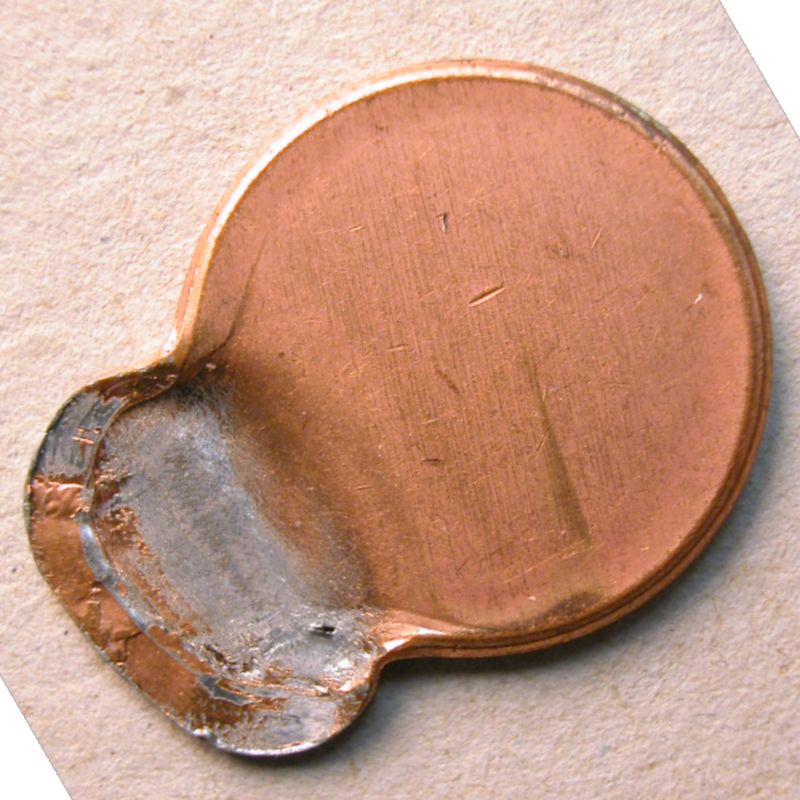
This off-center planchet was struck between two other planchets. The planchet that overlapped the obverse face generated an internal indent, while the planchet that overlapped the reverse face produced a uniface strike.


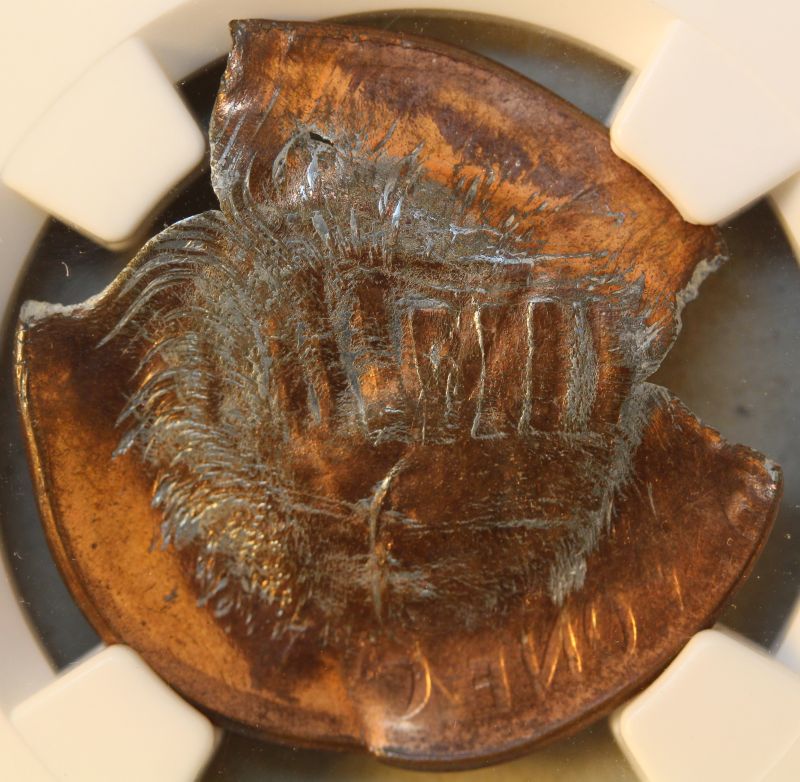
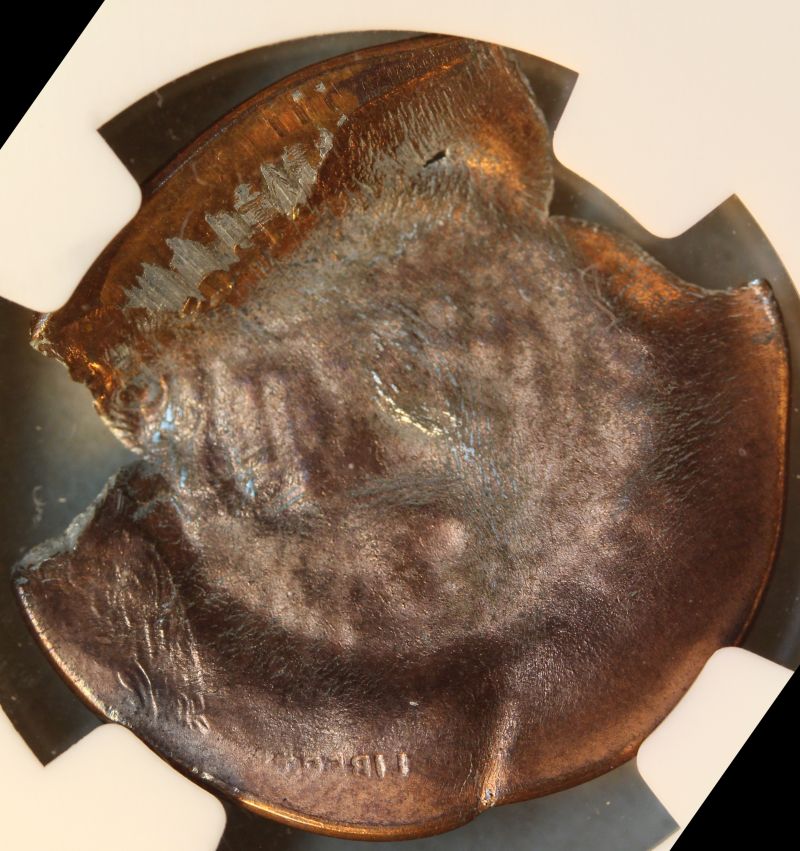
This enormously expanded coin represents a planchet that was situated between two previously-struck coins during the strike. One coin generated a full, centered, first-strike brockage of the reverse design on the obverse face. The other coin was a considerably off-center cent that generated a 90% partial brockage of the obverse design on the reverse face. Incuse design elements on this face are limited to the back of Lincoln’s head and the motto LIBERTY. The rest of the surface is featureless, since this is the impression of the unstruck portion of the coin.
Mule Clash

Part IV. Die Errors:

Clashed Dies:

Mule Clash

Definition: Clash marks from dies that should never have been paired.  Mule clashes were, until recently, considered a 19th century phenomenon.  Six are known from this century:

  1. An 1857 Flying Eagle cent that shows a clash between its obverse die and the obverse die of a $20 double eagle gold coin.
  2. An 1857 Flying Eagle cent that shows a clash between its reverse die and the reverse die of a Seated Liberty quarter dollar.
  3.  An 1857 Flying Eagle cent that shows a clash between its obverse die and the obverse die of a Seated Liberty half dollar.
  4.  An 1857 Seated Liberty quarter dollar that shows a clash between its reverse die and the reverse die of an 1857 Flying Eagle cent.
  5. An 1864 2 cent coin that shows a clash between its reverse die and the obverse die of an Indian Head cent.
  6. An 1870 Shield nickel that shows a clash between its obverse die and the obverse die of an Indian Head cent.

It’s widely suspected that all of these mule clashes are the result of mischief by mint employees.

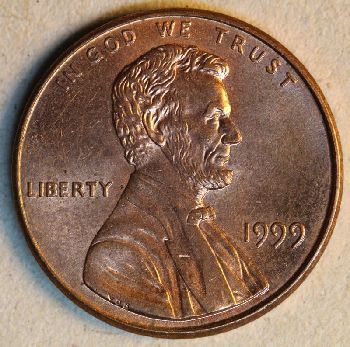
The latest mule clash was discovered in 2018 by Amy Antone in a pile of cents diverted from pocket change.  It appears on the reverse face of a 1999 cent.  Appearing on the left side, just inside the design rim, is an arc of incuse, mirror-image letters (“oF AMERIC”).  The letters are doubled, documenting two die clashes that were slightly offset from each other.  The tops of the letters are slightly cut off, indicating that the die responsible for the clash was slightly misaligned toward the left.  The peripheral location of the letters indicates that one of the two dies (presumably the hammer die), was tilted.

It’s not clear whether the two dies were actually installed in a press at the time of the clash.  It’s also unclear whether this clash was accidental or intentional.  This bizarre clash comes from an 11-year time period (1990-2000) that produced over 34 “radical MAD clashes” in Lincoln cents.  All of these clashes are weak, tilted, and often drastically misaligned.  The conditions that led to these clashes may have contributed to the production of this mule clash.


Rolling Mill Errors

Part V. Planchet Errors:

Rolling Mill Errors:

Rolled-In Patterns and Textures

Rolled-In Coth Pattern

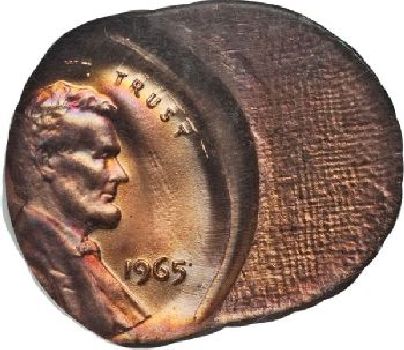
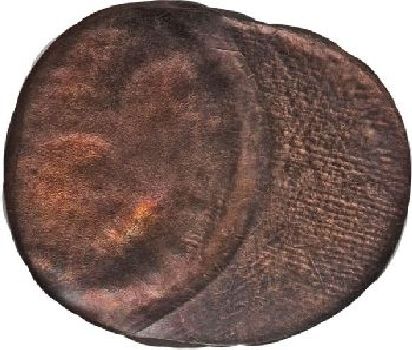
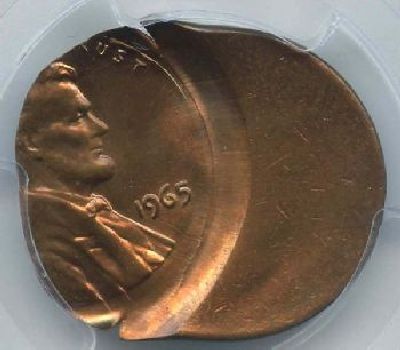
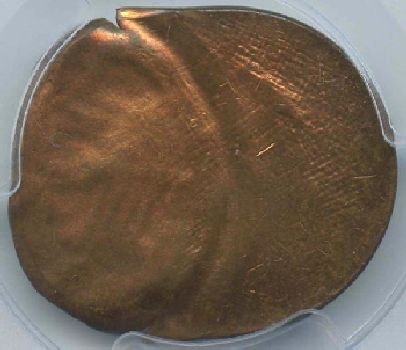
Definition: Coin metal strip that is rolled against cloth will end up with a checkerboard pattern on one or both surfaces.  This pattern will remain visible in the case of a weak strike or an off-center strike.  Such errors can occur by accident if a mint worker is holding up the sagging end of a length of strip with a protective cloth as the strip is guided into the rolling mill.  The cloth can get trapped between the rollers and dragged into the rolling mill.


This off-center 1965 cent features a rolled-in cloth texture on both faces.  It is possible that a piece of cloth was wrapped around the trailing end of the strip to protect the workers hands.  Photos courtesy of Heritage Auctions.


A second off-center 1965 cent shows a rolled-in cloth pattern on the reverse face.  This and the previous coin are the only known examples of rolled-in cloth patterns (a.k.a. rolled-through cloth errors).  Photos courtesy of Heritage Auctions.


Skidding Coin Errors

Part VI. Striking Errors:

Skidding Coin Errors

Definition: A weakly-struck coin that is pushed sideways while it is still loosely clamped between the dies.  Affected design elements are smeared or completely scraped off the coin’s surface on both faces.

A skidding coin error can only occur in the context of a weak (low-pressure) strike.  When a coin is weakly struck as the result of insufficient die approximation (the most common cause), it is necessarily held in a weak embrace by the dies, even at the lowest point of the hammer die’s downstroke.  If the coin should be knocked sideways while it is still weakly clamped between the dies, the newly-struck design elements can be smeared or scraped away as the coin is pushed across the two die faces.  Smearing can occur during the final moments of the downstroke, immediately after the hammer die has reached the lowest point of its downstroke, or while the hammer die is lifting off the surface of the coin.
 

Skidding coin errors should not be confused with skidding die errors (slide doubling, skidding misalignments, design decapitation errors, design ablation errors).  Skidding die errors of any significance are always found on the face struck by the hammer die and are caused by die movement.  Skidding coin errors are bifacial and are caused by coin movement.


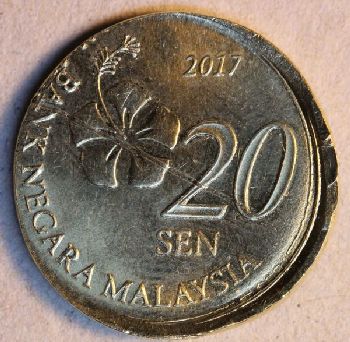
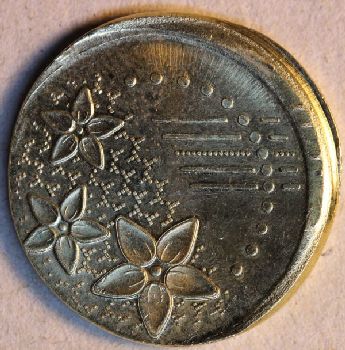
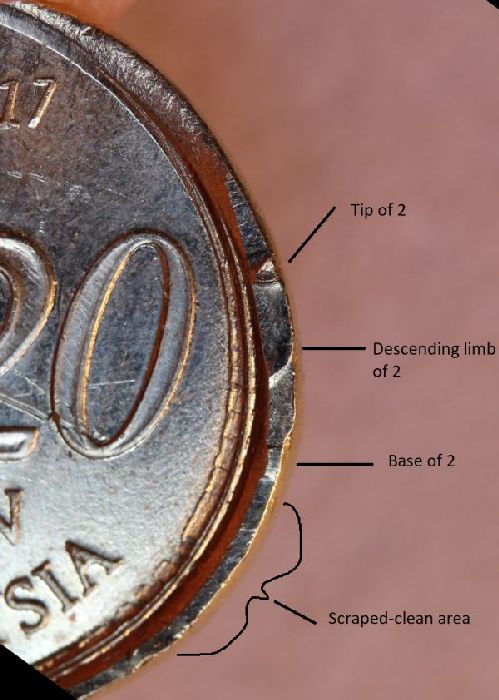
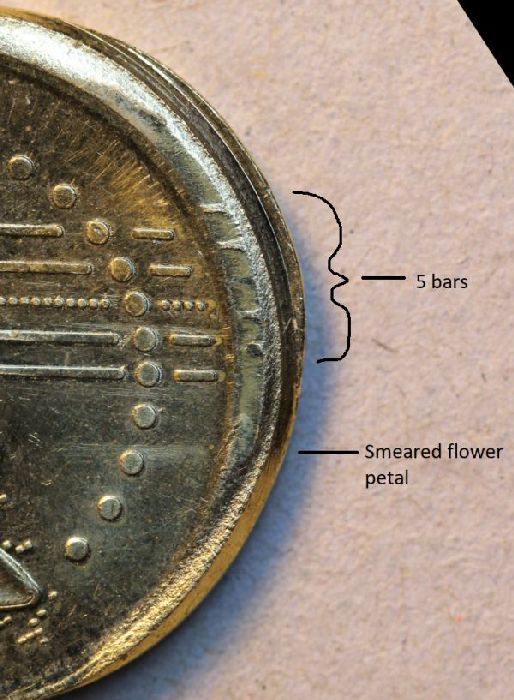
This 2017 Malaysia 20 sen coin represents the only known example of a skidding coin error.  The error occurs in conjunction with a 40% off-center, rim-restricted second strike.  The first strike was an uncentered broadstrike that left a deep collar scar on the right side of the reverse face.  Resistance from the stiff collar pushed up a low, thick, vertical flange on the obverse face.  Opposite the flange is an unstruck crescent on the reverse face that lies between the die-struck field and the collar scar.  Before the second strike, minimum die clearance abruptly increased so that, at their closest approach, the dies could only manage to contact the top of the flange and the unstruck crescent during the second strike.  While the coin was clamped between the dies it was pushed or carried sideways.  It’s quite possible that the feeder/ejector provided the necessary force.  The movement seems to have been more of a pivoting action, with the greatest arc of movement toward the south.

On the obverse, the descending limb of the 2 has been grossly smeared in a west-to-east direction (consistent with a clockwise pivot of the coin).  The base of the 2 is also smeared, but not as severely, as it was aligned with the axis of movement.  Letters belonging to the words SEN and MALAYSIA have been completely scraped off.

On the reverse, the five horizontal lines (four solid and one dotted) that lay medial to the arc of circular dots have been modestly distorted by smearing.  These elements were also aligned with the axis of movement.  The flower petal closest to the lowest horizontal line has been grossly smeared.


Grease-mediated radial smear

Part VI. Striking Errors:

“Struck-through” errors:

Struck through die fill:

Grease strikes:

Grease-mediated radial smear


Definition: Radial smearing of the design caused by “grease” (die fill).  The edges of the design that face toward the center of the coin are smeared toward the rim.  Radial smearing can affect both interior and peripheral design elements.  Although the mechanism is conjectural, the effect is likely caused by the interplay between viscosity, die convexity, and planchet expansion.  It’s possible that as the die is pushing its way into the planchet it is also squeezing the grease outward.  As the grease makes contact with metal that’s rising into the die’s recesses, it smears the metal outward in a radial fashion.

In rare cases, the direction of smear can be toward the center of the coin, or in both directions simultaneously.

Grease-mediated radial smear is similar in appearance to the metal flow that affects broadstrikes and off-center strikes and to a form of machine doubling called slide doubling.  Although all produce a smearing effect, they are unrelated.


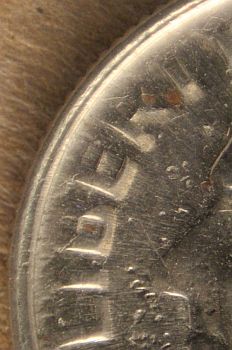
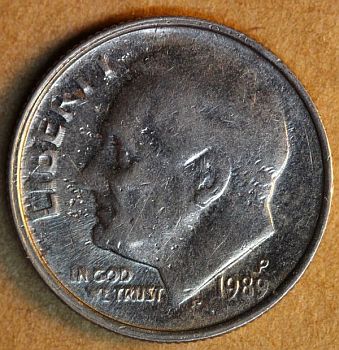
This 1989-P dime shows radial smearing of the peripheral design elements.  The effect is best seen on LIBERTY.  Note that the direction of smear is identical to the radial flow lines that developed in the field portion of the die as the result of die wear.


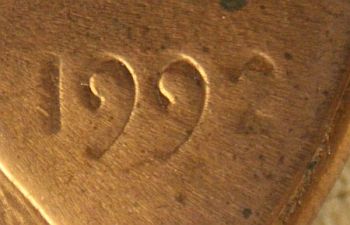
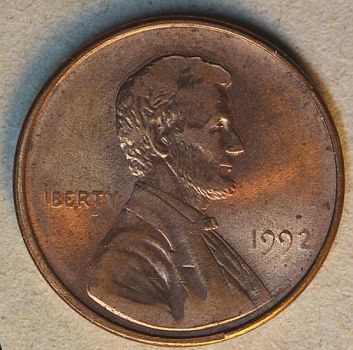
In this specimen, grease-mediated radial smear has affected the date and, to a lesser extent, LIBERTY.  A close-up of the date shows the direction of smear.  Once again, radial die flow lines follow the direction of smear.

Stress-Induced Surface Irregularities

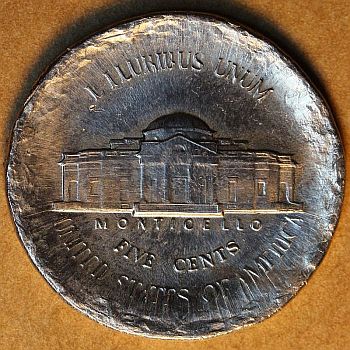
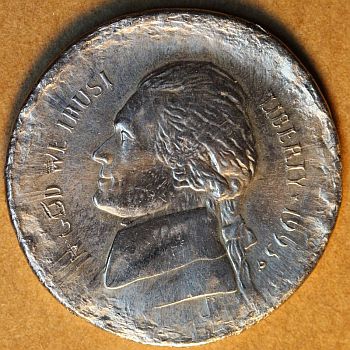
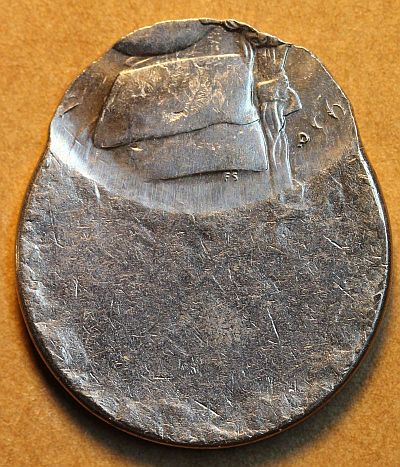
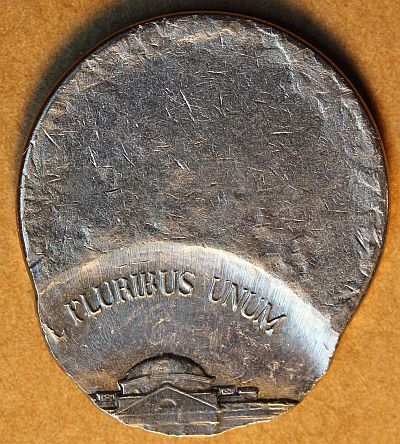
Definition: A lumpy texture that develops on the unstruck portion of certain broadstrikes and off-center strikes.  Known exclusively among 1993-P nickels, the lumpy texture forms during the strike in response to compressive and tensile stresses.  The texture may reflect uneven patterns of crystallization (or crystallite merger) occurring within the underlying metal.  However, the actual etiology is obscure.

This massively expanded, broadstruck 1993-P nickel displays stress-induced surface irregularities on the unstruck perimeter and along the edge.

Stress-induced surface irregularities appear on both sides of the unstruck portion of this off-center 1993-P nickel.  The lumpiness is strongest near the upset edge and next to the internal margin of the die-struck tongue of metal.  Compressive stresses generated during the strike produced a lumpy texture along the outer edge of the struck tongue.

Floating collar clash

Part IV. Die Errors:

Collar Clash:

Floating Collar Clash:

 Definition: A piece of a collar breaks off, lands between the dies and is struck.  One or both dies are left with an impression of the collar.  Depending on how it’s struck, a piece derived from a reeded collar may leave a series of grooves or a gear-like impression in the die face.

 As a practical matter, only reeded collars are likely to leave an impression that can be distinguished from die damage arising from other causes.  And even the impression of a reeded collar can be confused with the impressions of other threaded, toothed, ridged, or serrated objects.  Therefore, the presence of an accompanying die break is quite helpful in establishing the diagnosis.


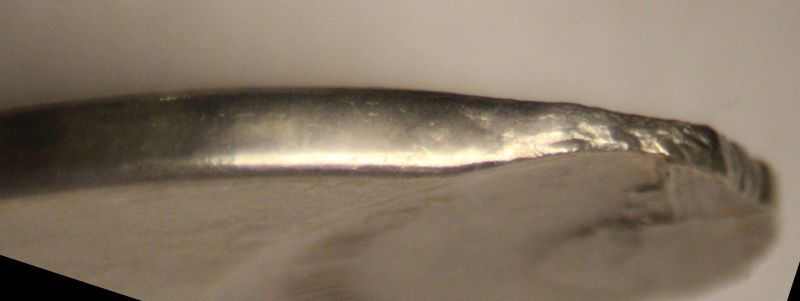
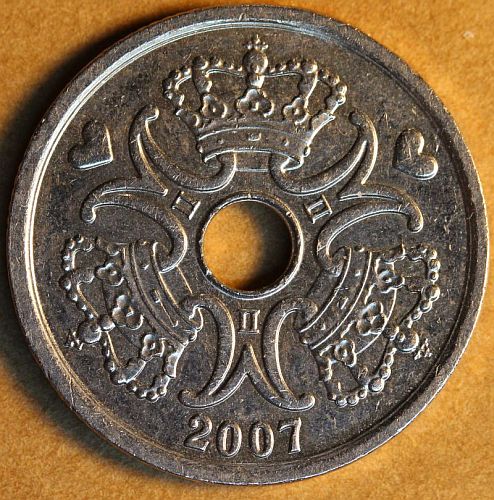
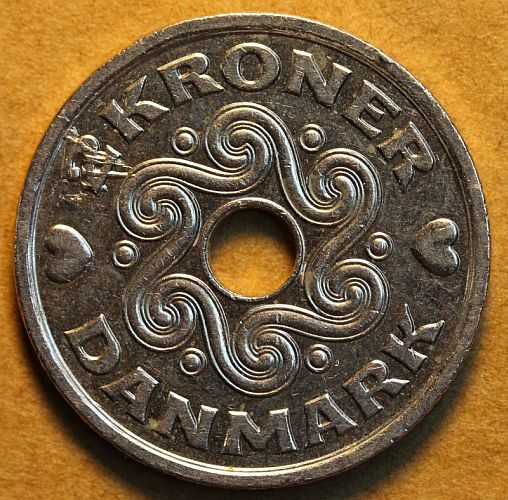
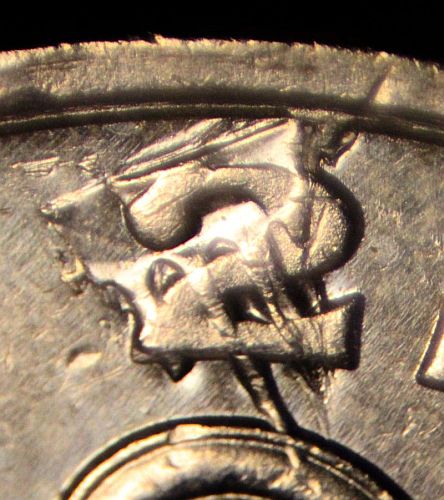
This 2007 Denmark 2 kroner coin features a collar break at 11:00 (reverse clock position) and a floating die clash at 10:00.  This denomination has an edge with intermittent reeding.  The collar fragment left an impression of four ridges in the reverse die face as well as an impression of the collar’s beveled entrance.


A close up of the floating collar clash.

 A close up of the collar break.


Design Decapitation Error:

Part VI. Striking Errors:

Skidding Die Errors:

Design Decapitation Error:

Definition:  As the hammer die is retracting, it suddenly shifts laterally, removing the highest points of the design.  This error is closely related to slide doubling (a form of machine doubling) but is distinguished from it in the following manner:

  1. Before the damage is inflicted, the hammer die actually lifts up a little bit instead of remaining at the lowest point of its downstroke.
  2. The damaged metal is cleanly removed instead of being pushed sideways and piled into a series of ridges.

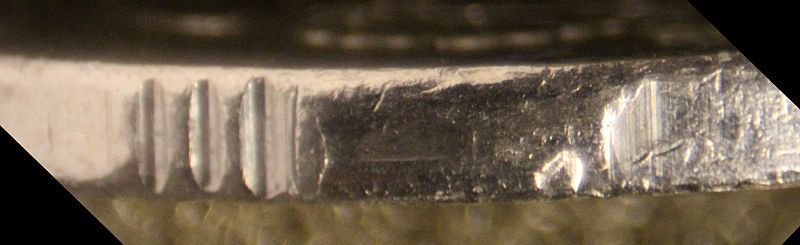
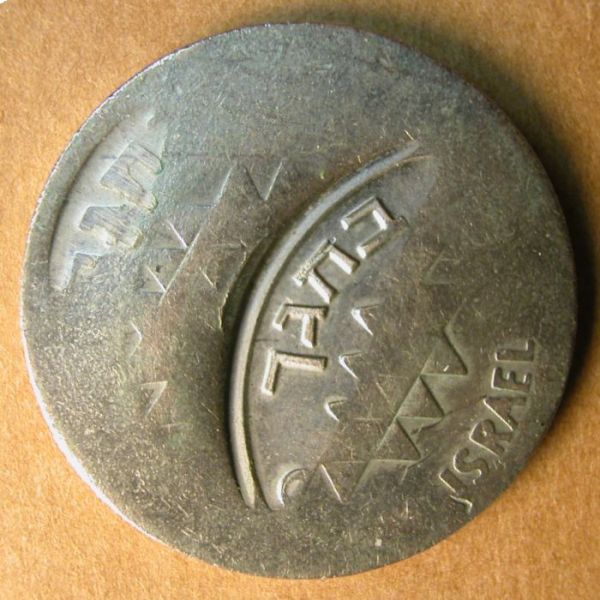
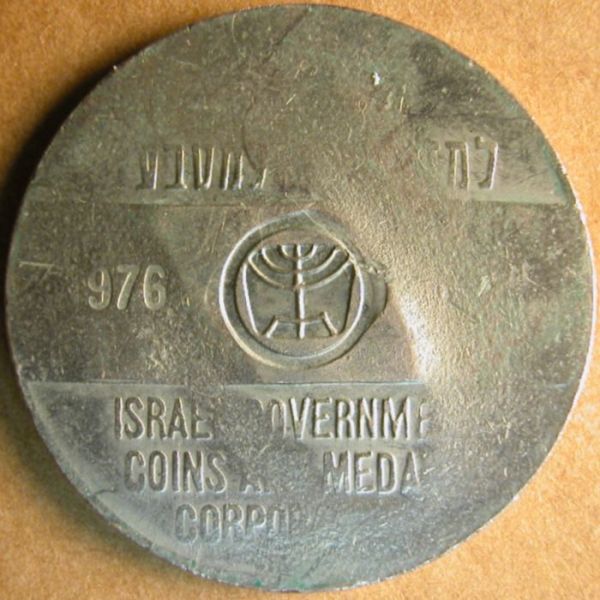
Design_decapitation_error_Israel_token_1976_obv Design_decapitation_error_Israel_token_1976_rev

This 1976 Israel Greetings Token shows a design decapitation error in the northwest quadrant of the obverse face.  The token was struck by the Israel Government Coins and Medals Corporation — Israel’s mint.

During a weak first strike the hammer (obverse) die was properly centered.  As it was retracting, the hammer die shifted to the southeast, scraping off the upper surface of the Hebrew letters located in the northwest quadrant.  The hammer die then lifted off the surface in preparation for the second strike.  During this second strike the hammer die was horizontally misaligned a whopping 50% and severely tilted.


  • « Previous Page
  • 1
  • 2
  • 3
  • 4
  • 5
  • 6
  • …
  • 21
  • Next Page »
  • Home
  • Introduction To This Website
  • Error-ref.com News
  • Comprehensive Error-Variety Checklist
  • Index Of Completed Entries
  • Part I. Die Subtypes:
  • Part II. Die Varieties:
  • Part III. Die Installation Errors:
  • Part IV. Die Errors:
  • Part V. Planchet Errors:
  • Part VI. Striking Errors:
  • Part VII. Post-Strike Mint Modifications:
  • Part VIII. Post-Strike Striking Chamber Mishaps:
  • Part IX. Post-Strike Mint Damage:
  • Part X. Wastebasket / Composite Categories:
  • Part XI. Non Errors:
  • Featured Articles Of Interested
  • Interest & Not So Interesting Facts
  • Other Sites And Forums Of Interest
  • Our Thanks Go To
  • About The Authors
  • Contact Us

Copyright © 2026